Key points
- Added lights must not weaken the lamps your truck already has.
- Amber and white are the colors for the front. Red, green and blue are not.
- Added lamps should burn steady, not strobe.
- Your state rules decide what you can run on the road.
- Test every lamp before a trip, and again after any install.
What the federal lighting standard covers
The rule behind every lamp on your truck is Federal Motor Vehicle Safety Standard No. 108, published in the eCFR as 49 CFR 571.108. It covers passenger cars, multipurpose passenger vehicles, trucks, buses, trailers and motorcycles. It also covers lamps made to replace like equipment on those vehicles.
Two lines in it matter most when you add lights. A replacement lamp has to be designed to meet every requirement for its type and to include all the functions of the lamp it replaces. And under S6.2.1, no added lamp or other equipment may be installed that impairs the effectiveness of the lighting the standard requires.
Most of our lights take the place of a trim piece, not a lamp. The Tacoma fang lights replace front fascia trim, the Tacoma fender lights replace fender trim, and the Maverick side markers sit where the side emblems were. Your headlights, turn signals and brake lights stay where Ford or Toyota put them. The line that matters for you is the second one: those lamps must still work as well as they did before.
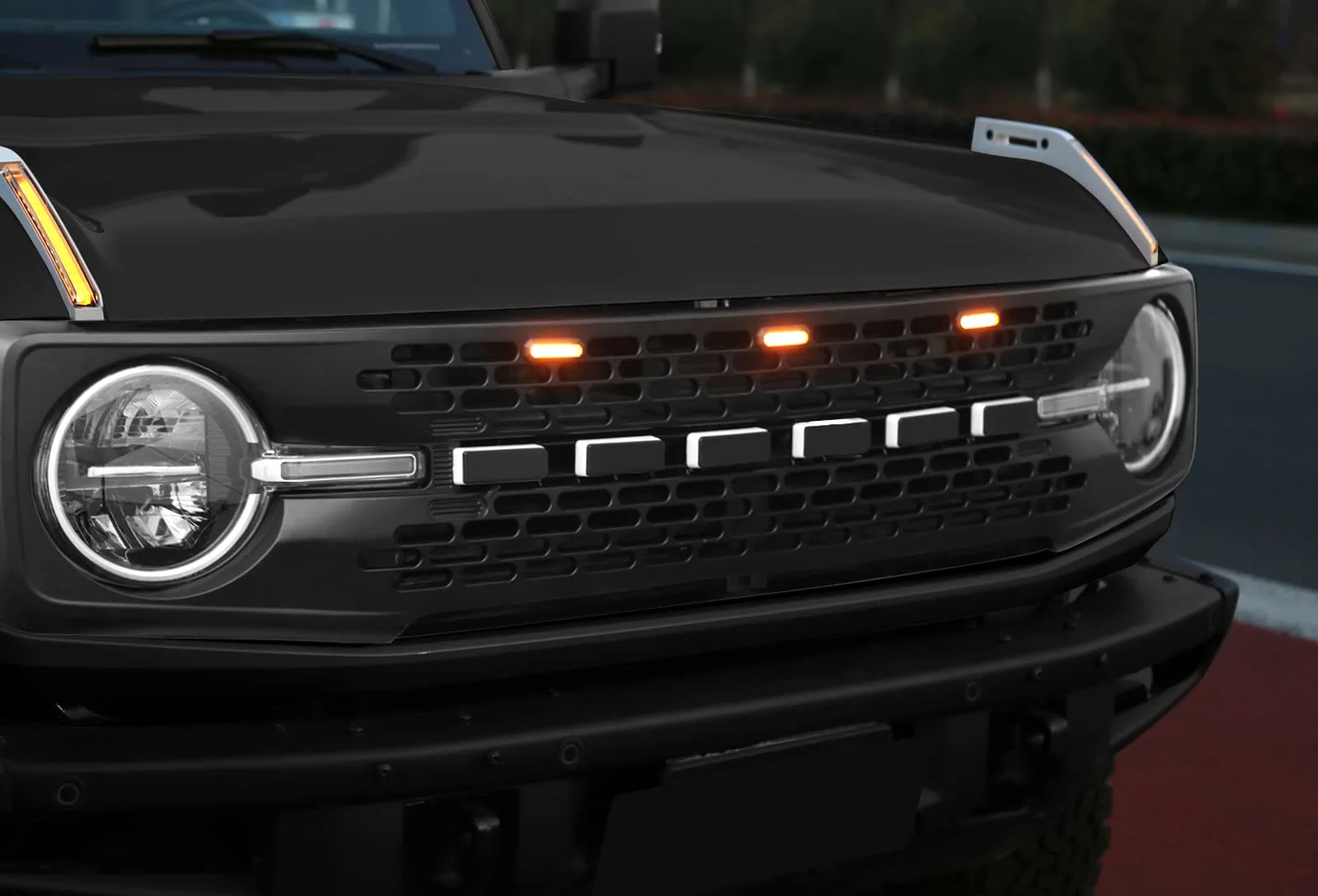
The standard also names lamps that wide vehicles must carry. Vehicles 2032 mm or more in overall width need amber front clearance lamps and three amber identification lamps near the center of the front, with lamp centers 6 to 12 inches apart. Keep that in mind before you light a row of amber dots across a grille, because the 2019 letter below says a front auxiliary lamp must not be confused with required lamps such as these.
What NHTSA said about added lamps in 2019
In September 2019 the NHTSA Office of Chief Counsel answered a question about an aftermarket front auxiliary lamp. The interpretation letter explains that FMVSS No. 108 applies only to original and replacement lighting. An added lamp is judged under the make-inoperative provision instead, and that provision binds businesses, not the owner of the truck.
That does not leave you free to fit anything you like. The same letter says state and local laws may still limit what an owner can use. If a shop installs lights for you, the federal provision binds the shop. Once the truck is yours on a public road, your state's rules are the ones you answer to.
The letter names four things that decide whether an added lamp impairs the required ones.
- Brightness: an auxiliary lamp must not be so bright that it masks the required lamps.
- Color: red, green and blue on the front of a vehicle are likely to confuse other drivers, while amber and white are permissible there.
- Location: a front auxiliary lamp must not be confused with required lamps such as identification lamps.
- Activation pattern: auxiliary lamps should burn steady rather than strobe.
| Point | Source | What it means for your truck |
|---|---|---|
| Replacement lamps | FMVSS No. 108 (eCFR, 49 CFR 571.108) | A lamp that replaces a factory lamp must carry every function of the one it replaces |
| Added equipment | FMVSS No. 108, S6.2.1 | Nothing added may weaken the lighting the standard requires |
| Who the rule binds | NHTSA interpretation letter, 2019 | The make-inoperative provision binds businesses, and state law still applies to owners |
| Color on the front | NHTSA interpretation letter, 2019 | Amber and white are permissible. Red, green and blue are likely to confuse |
| Activation pattern | NHTSA interpretation letter, 2019 | Steady burning, not strobing |
Colors on the front of your truck
Our grille, fang and fender lights glow white or amber. The Bronco grille lights come as a set of five amber lights or three smoked ones, both with a warm tone of 1500K to 1700K. They clip into a Badlands, Wildtrak or Everglades grille with no drilling, and the harness plugs into a power adapter.
On a Tacoma, the amber grille lights put four lights into the grille openings of a TRD PreRunner, TRD Sport or TRD Off-Road, 160 lumens in total. Hold your grille against the fitment photos first, because year and trim alone do not settle the fit.
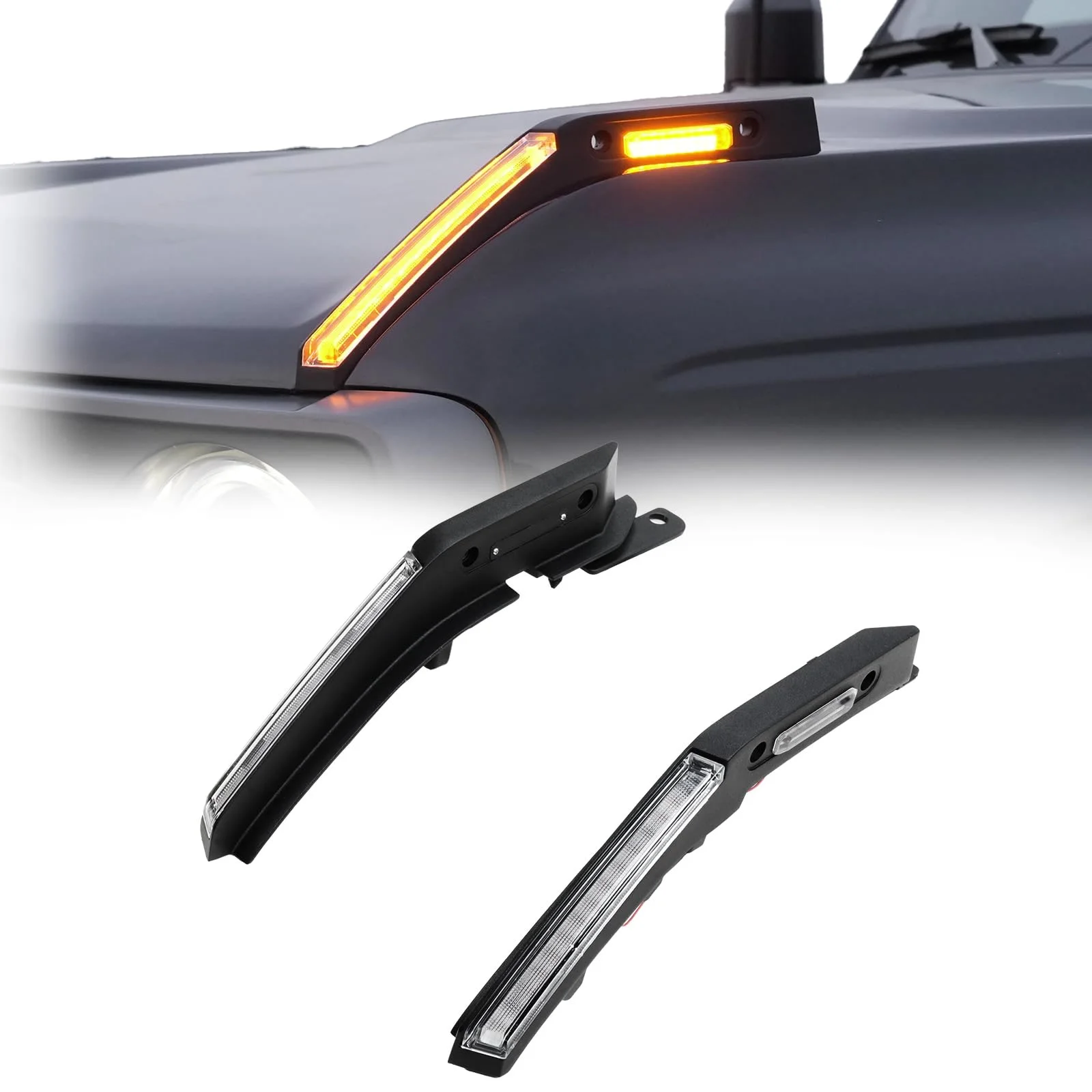
The Tacoma fang lights turn white with your headlights and blink amber with the turn signal on that side. The fender lights glow steady with the daytime running lights and flash amber with the turn signals and hazards. Both plug into factory connectors, so you cut no wires.
Keep any red, green or blue lamp off the front of your truck. That includes pods you buy for our A-pillar light mounts. The kit is brackets only, so the color of the pods is your choice, and the 2019 letter is the place to start before you buy them.
Brightness, roof bars and steady light
A roof bar is the light most likely to raise the brightness question. Our Maverick roof bar puts 24 LEDs in a row, each rated at 300 lumens, with white light between 5500K and 6500K and a spot pattern that throws past 90 feet. We build it for camp, the hunting lease and off-road use.
Separate buttons turn its lights on and off, and you should use them. Switch the bar off before you pull onto a public road, because the letter says an added lamp must not be so bright that it masks the lamps the standard requires. Your state may also set its own limits on roof lamps.
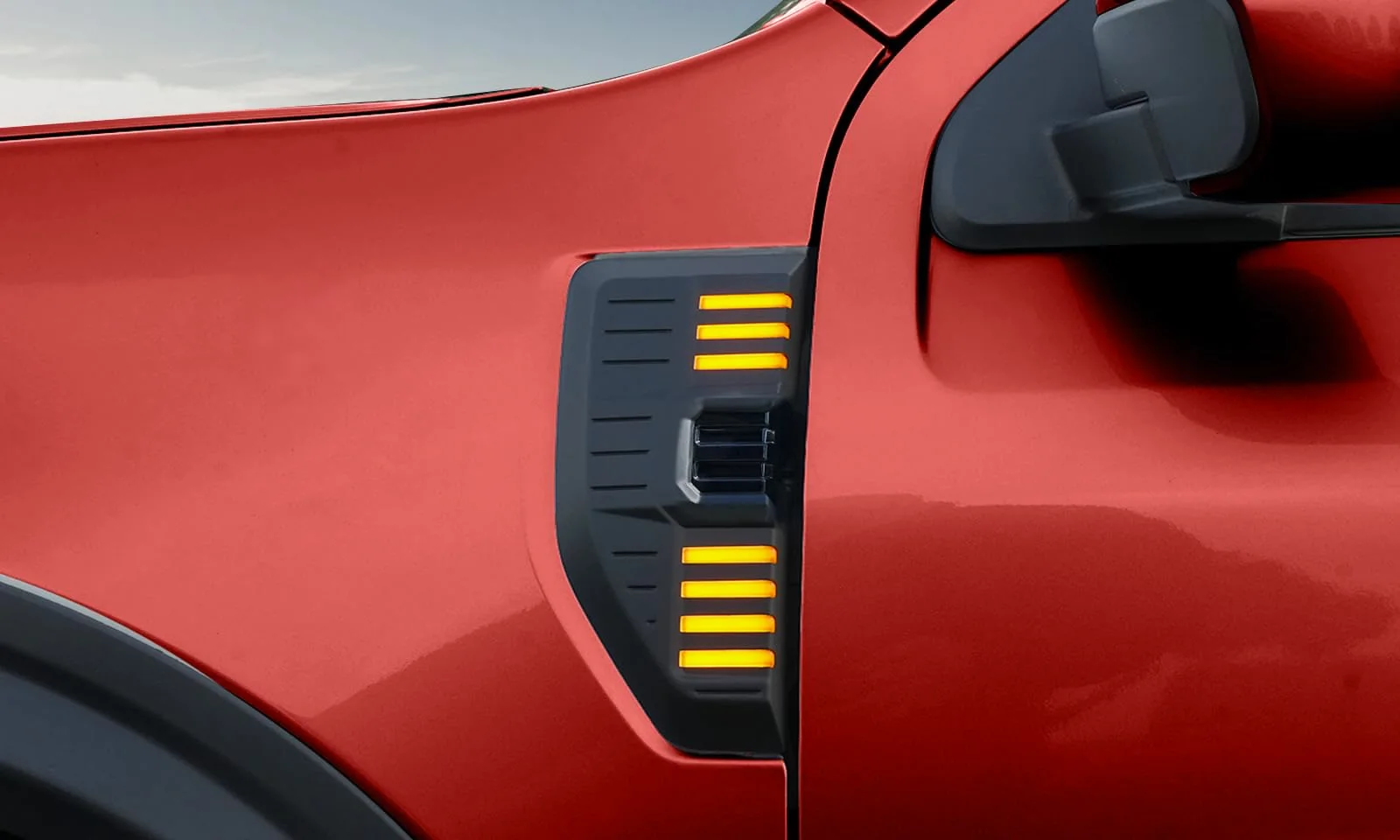
Activation pattern is the fourth point in the letter. The Maverick side markers play light effects at startup, at lock and unlock, when a door opens and with the turn signal. If your state limits lamps that move or flash, ask before you fit them.
The Bronco trail sight lights give you a choice. Their adapter cable lets them follow the headlights, follow the marker lights, or come on when you unlock and go off when you lock. Pick the mode that matches your state's rules, and leave it there.
Lights inside the cab and at the back
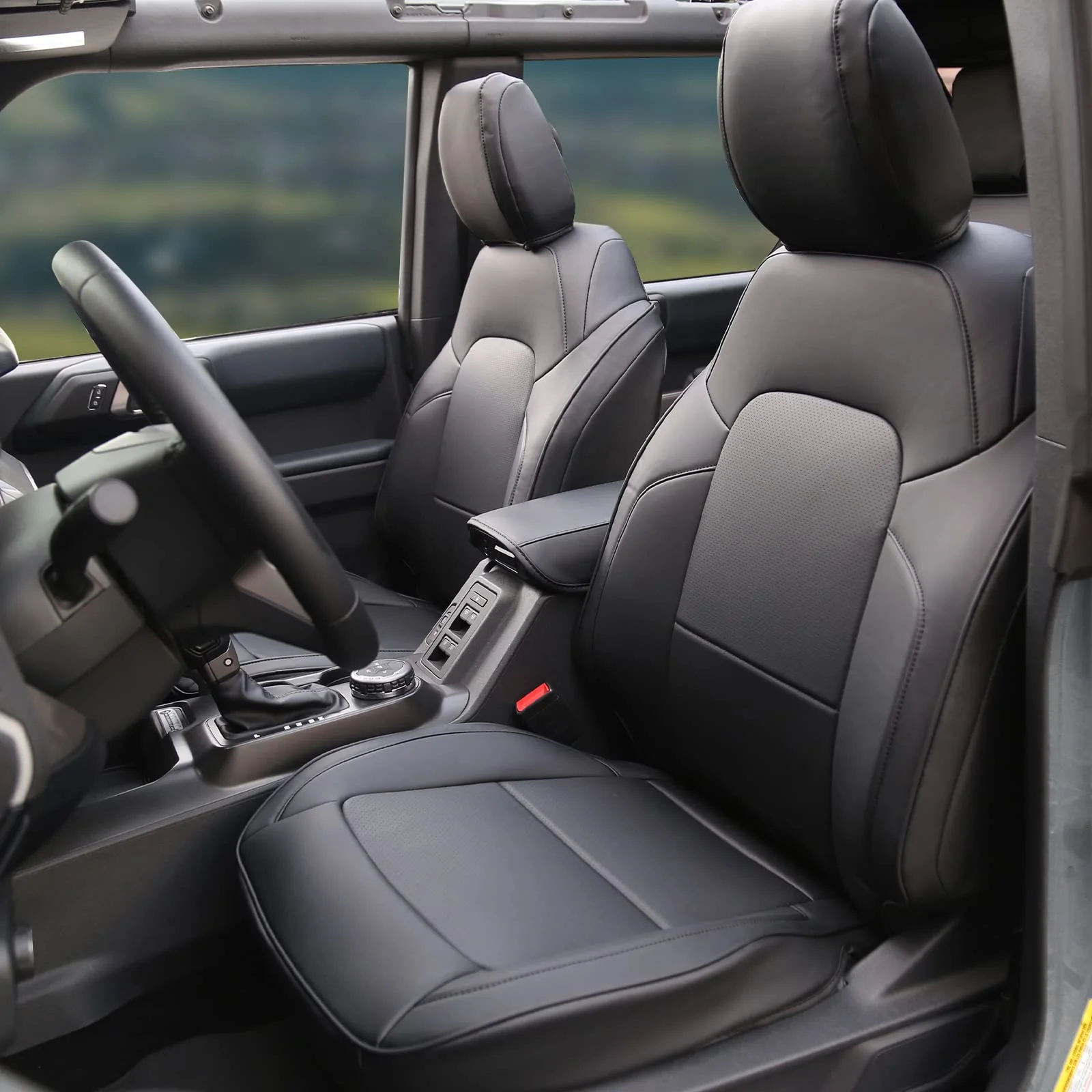
Not every light sits on the outside. The Bronco dome lights are four lights that run off the rear reading light circuit through an extension harness. They come on when a door opens and go off when it closes, and a roof button turns them on by hand.
The grab handle lights follow the cabin lighting the same way. They come on with a door open, go off when you lock the truck and stay dark while you drive.
The rear window lights on a 2021–2024 Bronco hard top are a different case. They replace the stock hinge cover on the rear glass and tie into the original rear light system. They show red while you drive, white when you back up and a brighter red when you brake.
Because they work beside your brake and reverse lamps, the test after the install is simple. The factory brake lamps, reverse lamps and turn signals must look and work as they did before. The rest of our range is on the LED lighting shelf.
| Light | Where it sits | What it shows | Wiring |
|---|---|---|---|
| Bronco grille lights | Front grille, high-series grilles | Amber or smoked, 1500K to 1700K | Plug-in harness to a power adapter |
| Bronco trail sight lights | Front of the hood, built-in side marker | Follows headlights, markers or lock and unlock | Adapter cable, no cutting |
| Tacoma amber grille lights | Grille openings | 4 amber lights, 160 lumens in total | Factory fuse box, no splicing |
| Tacoma fang lights | In place of the front fascia trim | White with headlights, amber with turn signal, 57 lumens per pair | Adapter harness to headlight connectors |
| Tacoma fender lights | In place of the fender trim | Steady with daytime running lights, amber with signals and hazards, 166 lumens per set | Plug-in to matching connectors |
| Maverick side markers | In place of the side emblems | Light effects at startup, lock, unlock, door open and turn | Plug-in connector |
| Maverick roof bar | Front of the roof | 24 LEDs, 300 lumens each, white | No cut wires, fuse built in |
| Bronco rear window lights | Rear glass hinge cover, hard top | Red driving, white reverse, brighter red braking | Original rear light system |
A lights check before every trip
NHTSA's summer driving tips include a short check before you leave. It covers your headlights, brake lights and turn signals, and if you tow, your trailer brake lights and turn signals too. After you add lights, the same check tells you whether the new ones left the factory set alone.
- 1
Park facing a wall or a garage door after dark and turn on the headlights. Both should light, with nothing new glaring over them.
- 2
Signal left, then right. Watch the factory signals and, on a Tacoma with fang or fender lights, the amber on that side.
- 3
Ask someone to stand behind the truck while you press the brake and shift into reverse.
- 4
Switch on the hazards and walk once around the truck.
- 5
If you tow, plug in the trailer and repeat the signals and the brakes.
- 6
On a Tacoma with our fender lights, run the test with the engine on, since voltage with the engine off may be too low for a steady glow.
Before you drive with them on
If a factory lamp dims, flickers or stops after an install, unplug the new light and find the cause before you drive at night.
Then look up your state's rules on added lamps. The federal standard and the 2019 letter set the frame, but the letter itself says state and local laws may limit what an owner can use. Your state motor vehicle agency or its vehicle code will say what you may run on the road and when.
Every product named here is part of the Mabett truck line.